-

 Search for Promotional ProductsQuantity: NewCancel(800) 338-7996
The future of promotional marketing is being shaped by artificial intelligence, automation, and an always connected digital culture that constantly competes for attention. Brands are fighting not just for visibility but for meaningful recognition, which is why staying top of mind now requires more than clever ads or frequent social posts. Physical promotional products offer a powerful advantage because they create real world touchpoints that digital tools simply cannot replicate.
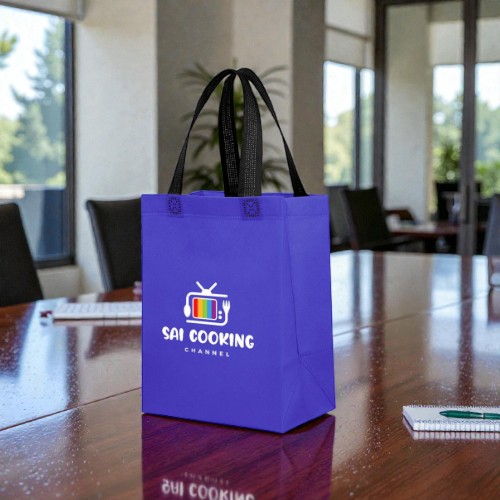
A customized Bennett recycled non-woven laminated tote bag becomes part of someone’s routine, traveling to work, grocery stores, and events while reinforcing brand awareness every time it is seen. Unlike fleeting digital impressions, branded products live in homes, cars, offices, and backpacks where they continue delivering marketing value long after the initial interaction. Consumers are increasingly overwhelmed by screens, notifications, and automated messaging, which makes tangible branded items feel refreshing and memorable.
A custom Splash hardcover journal on a desk communicates thoughtfulness and professionalism while also encouraging daily use. These kinds of promotional products build familiarity over time, which is essential for long term brand recall in a crowded marketplace. The brands that will thrive in an AI driven world are the ones that understand how to blend technology with physical presence through intentional custom merchandise strategies. The future of promo belongs to companies that recognize that memorable branding is not only about being seen online but also about being held, used, and experienced in real life.
Automation and AI are excellent tools for efficiency, but they also create a sea of sameness that makes many marketing messages feel interchangeable. Consumers can often sense when communication is generated by algorithms rather than shaped by real people who understand their needs and values. Promotional products give brands a way to compete with robots by injecting authenticity, warmth, and personality into their marketing efforts.
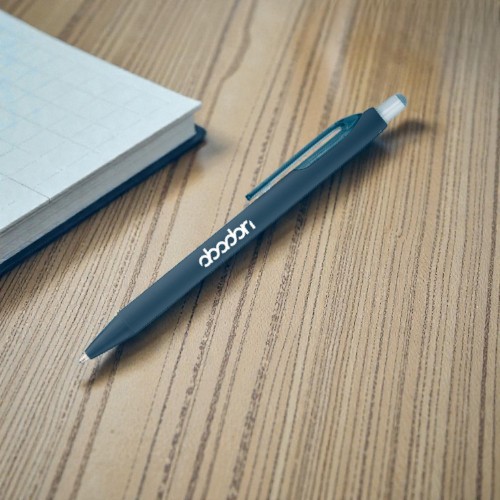
A custom Ellison RABS pen may seem simple, yet when it is handed directly to a client during a meeting, it carries a level of personal connection that no chatbot can deliver. These moments of human exchange are where trust is built, and trust is the true currency of modern branding. When someone receives a promotional economy ultimate round stress ball during a high pressure workday, the product becomes associated with relief, appreciation, and emotional support from the brand. That emotional layer is something AI cannot manufacture on its own, which makes branded merchandise an essential differentiator. Thoughtfully selected custom products demonstrate that a business understands its audience and cares enough to provide something useful and meaningful. This strategy elevates promotional marketing from simple advertising to relationship building. Companies that lean into human centered branding through personalized promotional items will consistently outperform those that rely only on automated digital touchpoints.
Even in a future dominated by AI tools, human interaction remains the strongest driver of loyalty and long-term customer relationships. People remember how brands make them feel far more than they remember which algorithm recommended a product to them.
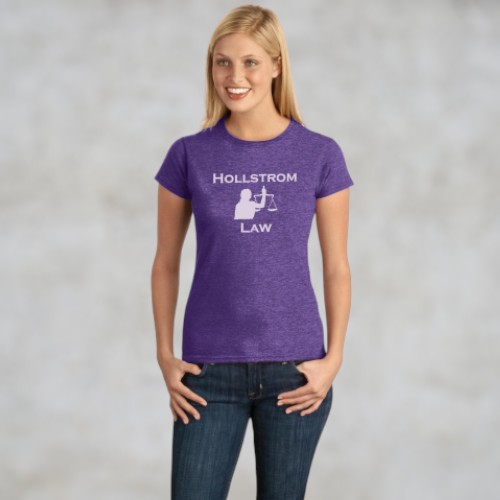
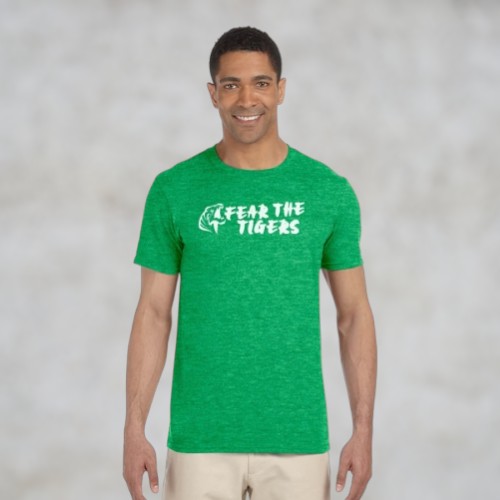
Branded apparel such as a customized Gildan 64000L ladies Softstyle cotton t shirt creates a sense of belonging that turns customers into brand advocates. When someone chooses to wear a custom Gildan 64000 adult Softstyle cotton t shirt outside of an event, they are voluntarily extending the brand’s reach into their personal networks. That level of organic promotion is fueled by emotional connection rather than automation.
Events, trade shows, community outreach, and employee appreciation programs all become more impactful when paired with well-chosen promotional products. These experiences are where genuine conversations happen, relationships form, and trust is strengthened. AI can support marketing strategy, but it cannot replace the impact of eye contact, laughter, shared experiences, and thoughtful gestures. A branded product given at the right moment can anchor those memories and keep a brand relevant long after the interaction ends. This is why promotional marketing continues to thrive even as technology evolves. Human connection is timeless, and custom branded products are one of the most effective tools for reinforcing that connection.
The challenge for modern brands is not just gaining attention but maintaining relevance in a world where consumers are constantly distracted. Digital ads disappear with a scroll, emails go unopened, and social media algorithms control what people see, which makes consistent brand visibility difficult. Promotional products offer a reliable solution because they exist outside of algorithmic control and remain present in everyday environments. A customized tote bag used for errands keeps a brand visible in public spaces while also communicating values like sustainability and practicality.
A branded journal used in meetings subtly reinforces credibility and professionalism every time it is opened. These items work as continuous reminders that support long term brand recognition without requiring ongoing ad spend. The tactile experience of holding a quality pen, wearing a soft cotton t shirt, or squeezing a stress ball creates sensory memories that digital marketing cannot replicate. These experiences strengthen brand recall because they engage more than just visual attention.
Businesses that prioritize strategic distribution of promotional products can create multiple touchpoints throughout a customer’s day. This approach supports stronger brand positioning and helps companies remain relevant in competitive industries. Staying top of mind in an AI driven era requires a balance of smart technology and thoughtful physical branding. Promotional, custom, and branded merchandise bridges that gap more effectively than any purely digital strategy.
The most successful promotional strategies of the future will combine data driven insights with emotionally intelligent execution. AI can help brands understand customer preferences, predict trends, and optimize timing, but it is promotional products that deliver the tangible experience customers actually remember. By using insights to choose the right custom items, brands can create campaigns that feel personal rather than generic.
A stress ball for wellness focused initiatives, a journal for professional development programs, or branded apparel for team building efforts all demonstrate strategic alignment between message and product. This level of intentionality positions a brand as thoughtful, modern, and deeply aware of its audience. High quality promotional products also signal credibility, which is increasingly important as consumers become more skeptical of digital only brands.
When businesses invest in meaningful custom merchandise, they communicate long term commitment rather than short term marketing tactics. These builds trust not only with customers but also with employees, partners, and prospects. The future of promotional marketing is not about choosing between technology and tradition but about integrating both in a cohesive way. Brands that embrace AI for strategy while doubling down on human centered promotional experiences will stand out in crowded markets. Promotional, custom, and branded products will continue to be essential tools for creating authentic connections in an increasingly automated world.

{{addedComment}}

Share your thoughts on our website:
Minimum 5 characters required.