-

 Search for Promotional ProductsQuantity: NewCancel(800) 338-7996
Black History Month is a time to remember the deep histories and contributions of Black Americans across all walks of life. Promotional products may seem like everyday items used for marketing today, but their roots stretch back into the earliest efforts by Black communities to connect, unify, and uplift one another in the face of adversity. Long before the modern promotional products industry existed, Black Americans used buttons, flyers, pamphlets, church fans, branded apparel, and reusable containers to support local businesses, civic movements, and community traditions. These items helped to spread messages of hope and belonging, even under Jim Crow segregation, when access to public spaces and civic rights was limited and Black communities needed every tool to share information and foster resilience. In many ways these early promotional artifacts laid the foundation for the way we use branded products to create connection today.
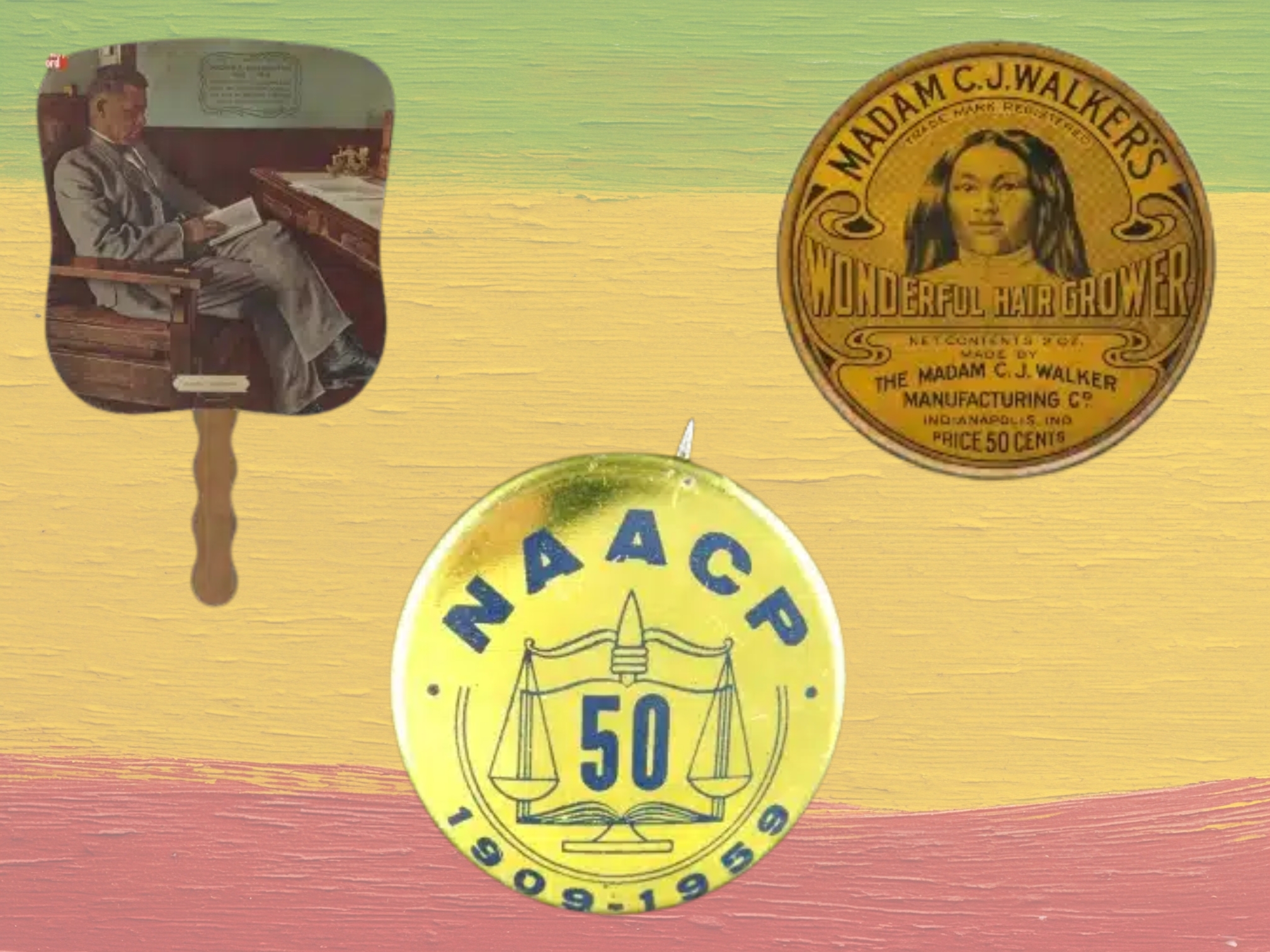
Black professionals have helped shape the promotional products industry from its earliest days. Their influence can be seen not only in what products are created but in how they are shared and used to bring people together. Buttons and pins worn at rallies, pamphlets handed out at business openings, and branded shirts worn to church events were more than promotional items. They were symbols of unity and pride that helped communities organize and stay connected in times of struggle. Church fans with printed messages of faith and service served a practical purpose and told a story of shared belief. Reusable containers, handed out at community festivals and civic gatherings, became tools that kept people hydrated and reminded them of collective identity. These early examples show that promotional products have always been deeply tied to cultural expression and community cohesion long before the industry solidified into the modern market of branded giveaways.
One of the most documented African-American entrepreneurs in the modern promotional products space is Daryll H. Griffin, MAS, whose work reflects the lasting influence of Black visionaries in the industry. Griffin is the founder and president of Accolades Inc., a promotional products and corporate marketing firm based in Atlanta. Founded in 1990, Accolades has built a reputation for thoughtful branding solutions and community engagement, serving clients from Fortune 100 corporations to local nonprofits. Griffin’s career in the industry spans more than three decades, and her leadership has strengthened the industry in many meaningful ways. She served on the Promotional Products Association International (PPAI) Board of Directors, was named a PPAI Fellow, and earned the PPAI H. Ted Olson Humanitarian Award and the PPAI Woman of Achievement Award in 2019, honors that recognize her service and impact within the promotional products community.
Her active involvement in industry boards and committees helped open paths for minority business owners and women professionals. Beyond product sourcing and sales, Griffin’s mentorship and advocacy have shaped future generations of promotional professionals. She has also been a civic leader, serving with organizations such as the Atlanta Business League and mentoring young women at colleges including Spelman and Stephens

During the era of Jim Crow segregation, promotional products held powerful roles within Black communities. Buttons and pins were used at civic rallies and voter registration drives to express solidarity and to help organize collective action. Printed flyers and pamphlets shared information about meetings, boycotts, and community needs at a time when mainstream media often ignored Black voices. Church fans printed with community event information were passed hand to hand on hot Sundays, cooling parishioners while spreading messages of unity and purpose.
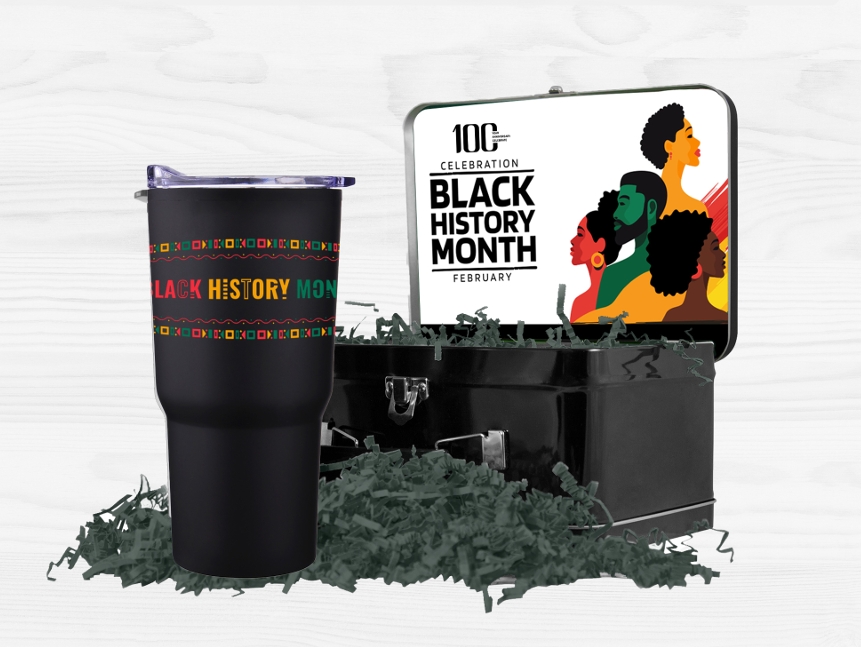
Today’s promotional products like the Promotional Retro Lunch Box Kit with 20 oz Tumbler and Cup Holder from Executive Advertising remind us how everyday branded items can serve both practical needs and cultural storytelling by providing functional tools that carry brand and message. Early Black promotional items worked much the same way by combining utility with community affirmation.
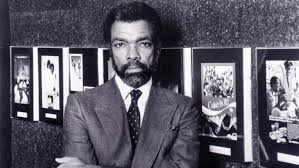
Another key figure in the story of Black influence on branded communication is Tom Burrell, founder of Burrell Communications Group. Established in 1971, Burrell Communications became one of the first and most influential Black-owned advertising firms. Burrell pioneered culturally authentic marketing targeted at Black consumers at a time when mainstream advertising largely ignored or misrepresented Black audiences. His philosophy was simple and profound: Black people are not dark-skinned white people. This recognition of cultural nuance transformed how brands communicated and opened a broader understanding of diverse markets.
Under Burrell’s leadership, campaigns created for major brands like McDonald’s and Coca-Cola offered authentic representations of Black life and culture. A landmark commercial known as “Street Song,” created for Coca-Cola, is now archived in the Library of Congress for its cultural and historical significance. The approach pioneered by Burrell showed how targeted messaging could respect cultural identity while also appealing to wider audiences.
Burrell Communications became a training ground for marketers and creatives of diverse backgrounds and remains influential today. The agency’s ongoing work continues to bridge cultural understanding and business impact, exemplifying how thoughtful communication and branded messaging can connect communities across markets.
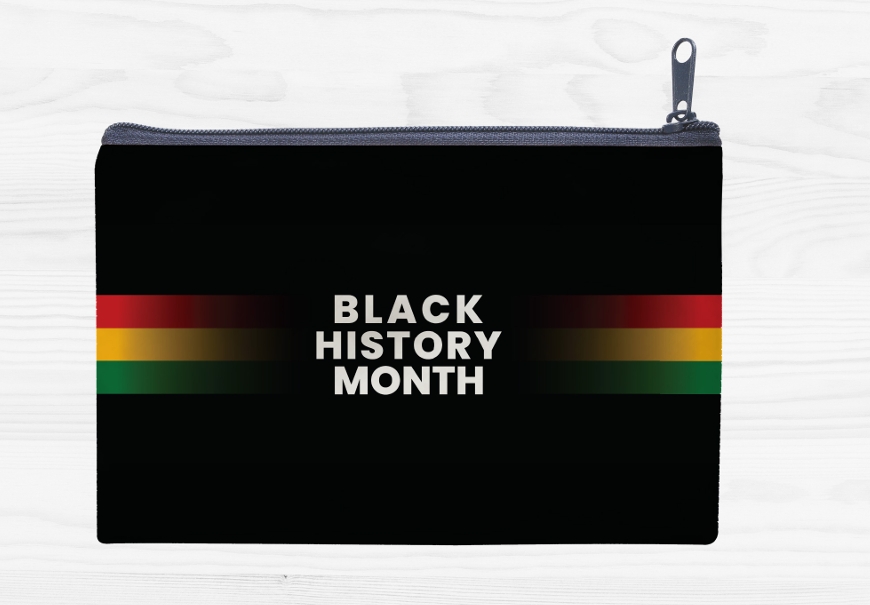
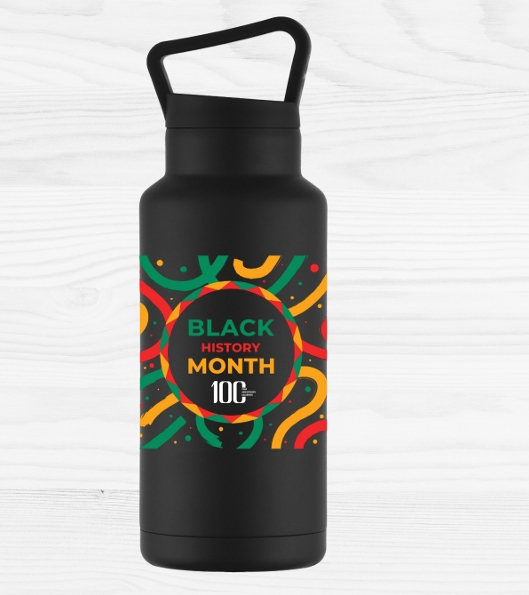
Today’s promotional products continue the legacy of connecting people and telling stories. Items such as the Sublimated Zippered Pouch and the Customized 20 oz Slim Rubberized Tumbler with Spill Reduction Straw serve as modern examples of how branded merchandise is both functional and meaningful. These products are used at events, community gatherings, and business promotions to spark conversation, foster brand loyalty, and create shared experiences. Just as early pamphlets and buttons once brought people together in struggle and celebration, today’s reusable bags and drinkware help brands and communities carry their messages into everyday life.
What has changed is the environment. What has not changed is the purpose. Promotional products still create shared experiences, still open conversations, and still help communities see themselves reflected in something tangible. In that way, every thoughtfully designed item becomes part of a much longer story. It is a story that runs from the resourceful promotional efforts of Black communities navigating segregation to the inclusive, story driven branding of today, proving that these products have always been about more than marketing. They have always been about connection, visibility, and the power to carry a message forward.
As we observe Black History Month, it is important to recognize that the roots of the promotional products industry reach deep into the everyday lives and movements of Black Americans. From grassroots efforts using simple printed materials to build unity during segregation, to industry leaders like Daryll H. Griffin, MAS, who have spent decades shaping and advancing the promotional products industry, and to cultural marketing pioneers like Tom Burrell who changed how brands communicate with diverse consumers, the contributions of Black professionals are vital. Their work reminds us that promotional products are more than marketing tools. They are storytellers that reflect culture, history, and shared experience.
In celebrating that legacy, we also look forward to future generations of creators, entrepreneurs, and marketers who will continue to use promotional products as tools for connection, affirmation, and community building in the years ahead.

{{addedComment}}

Share your thoughts on our website:
Minimum 5 characters required.